
SEO vs. PPC: Which One Should Your Business Prioritize First?
When evaluating SEO vs PPC for small business growth most business owners will be more concerned about “Where do I invest first in order to make an impact?” instead of “How can I get noticed?” when it comes to the constantly changing environment of technology in 2026. Being a marketer or an entrepreneur, you will most likely be torn between two giants: PPC and SEO
While the second provides immediate gratification and access to your customers, at a price, the first guarantees you a promising future and “free” traffic. You may either spend all of your money on something that may never deliver, or take too long to achieve anything at all by choosing the wrong approach.
During this era of artificial intelligence, this guide will help you settle the SEO vs PPC for small business debate and decide where to put your efforts first..
1. Comprehending the 2026 Contenders
Before getting into the “which,” one first needs to understand the “what.” There have been many changes in the digital world in the recent past, and one such is the use of artificial intelligence in searches.
What is SEO today?
SEO is the practice and technique of ranking well within organic search results. By the year 2026, E-E-A-T will have more relevance than keywords for SEO purposes. SEO is about ensuring that you become the cited source in any summary made by Google’s AI system that provides instant answers.
What is PPC today?
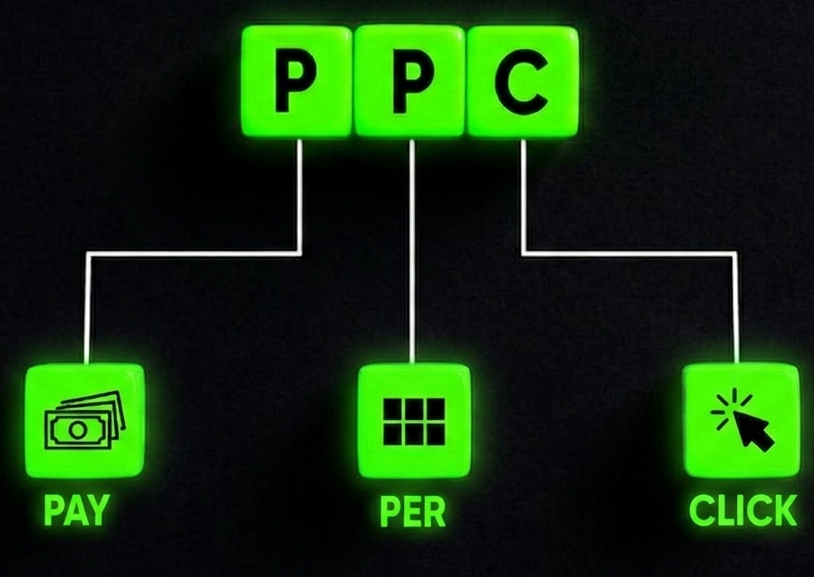
Every time an advertisement is clicked on your website, you are required to pay under the PPC model. These days, businesses like Google Ads use artificial intelligence-based smart bidding systems to show your ad to the right people. Similar to turning on a tap, traffic flows instantly once you activate it. When you turn it off, traffic will stop right away.
2. The Case for SEO: The Marathon Runner
When looking at SEO vs PPC for small business,SEO is frequently likened to a marathon. It calls for perseverance, a steady pace, and long-term planning.
The Pros of SEO
- Cumulative ROI: The effort you put into SEO today pays back many months, even years later, whereas with ads, you pay every time someone clicks through. Your cost per lead plummets when your site ranks.
- Building Trust: 2026 users are smart. They often overlook the “Sponsored” labels when trying to get their hands on the organic results. If you have an excellent organic search result, this proves that search engines love your content.
- Broader Audience: With the use of SEO, you can attract customers who are located at the “top of the funnel.” This is because SEO helps you be the first to reply when such people ask for information regarding something they intend to buy in future.
The Cons of SEO
- Waiting Game: Prior to the organic ranking improvement, it could take three to six months or even more. SEO shouldn’t be your only focus if sales are needed right away to pay the bills.
- Algorithm Volatility: You are working in their backyard. Rankings can get altered quickly when Google adjusts its artificial intelligence algorithms.
3. The Case for PPC: The Sprinter
Your “right here, right now” method is PPC. It was designed to be fast, precise, and deliver immediate results.
The Pros of PPC
- Instant Visibility: In less than an hour, you can launch a campaign and reach the top of page one. This is frequently the only way for a new company to get noticed right away in a cutthroat city like Kochi.
- Laser-focussed Targeting: Would you like your advertisements to only appear to iPhone users within a 10-kilometer radius of your store between 2 and 5 PM? PPC is capable of doing that.
- Data Validation: PPC identifies the precise keywords that result in sales. You can utilise this “golden data” to guide your long-term SEO strategy.
The Cons of PPC
- The “Pay-to-Play” Barrier: Once your daily budget runs out, you become invisible.
- Rising cost: More competition than ever exists in 2026. If your conversion rates aren’t optimized, CPC rates for competitive markets will decrease your profits.
4. How to Decide: 4 Critical Questions
To resolve the SEO vs PPC for small business dilemma for your specific needs, ask yourself these four questions:
Q1: How quickly are you looking for results?
PPC marketing is perfect for time-bound events, seasonal promotions, and the launch of new products. If you wish to build a brand that lasts forever and are prepared to be patient, start your campaign with SEO.
Q2: What is your current budget?
PPC demands a steady daily investment. You might be better off devoting your time to producing excellent SEO content if you have a limited budget. However, PPC offers a more reliable way to see a return on investment if you already have a marketing budget.
Q3: What level of competition exists in your niche?
It can take a year to rank organically for “Big” keywords in extremely crowded markets. In this situation, while your SEO team works on the long-term climb, use PPC to carve out a space for yourself
Q4: Is your website ready for traffic?
The most important thing to ask would be this question. This would be just like adding water to a bucket that leaks, if one drives traffic to an unprofessional-looking website. One should ensure that the UI/UX looks professional before beginning with PPC.
5. The “Hybrid” Winner: Why 2026 Demands Both
The answer to the battle between SEO vs. PPC for small businesses is that you shouldn’t have to make a permanent choice.Although the question is “which one first,” successful businesses typically use a hybrid strategy. They are more effective when they collaborate than when they work alone in the current marketing environment.
- Step 1: Test with PPC. To determine which keywords truly lead to “Add to Cart” or “Contact Us” actions, run ads for 30 days.
- Step 2: Take Control with SEO. Create focused, excellent blog posts and landing pages based on those winning keywords from your PPC data.
- Step 3:Retargeting. For the purpose of “following” those who discovered you via organic search engine optimization, utilize pay-per-click advertising. The next day, display an advertisement for them so that if they came across your blog article on Digital Marketing Trends and did not buy anything, they would return.
Conclusion: The Verdict
Which should be your top priority, then?
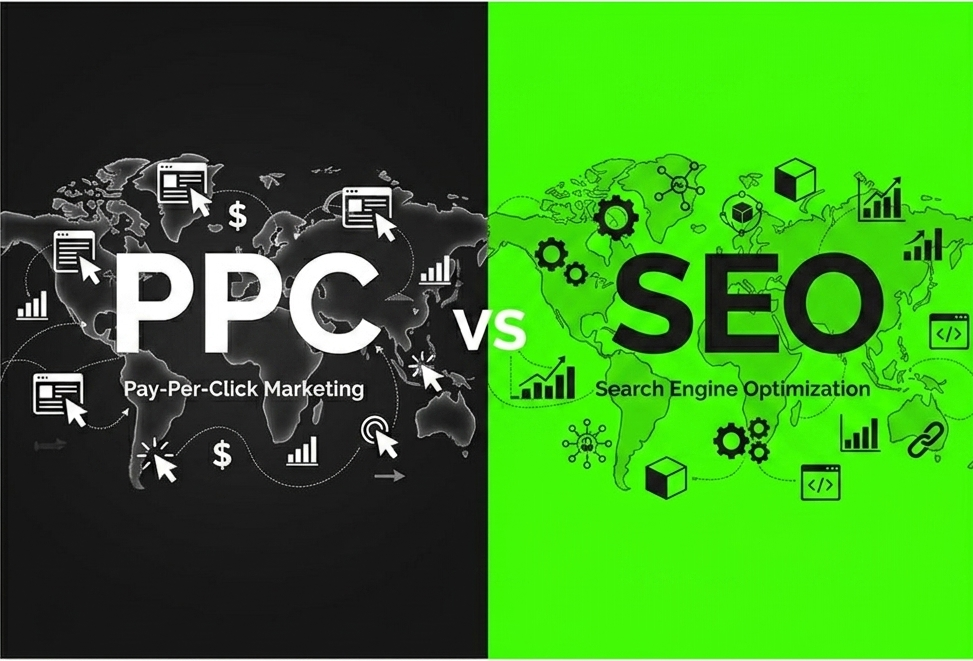
Prioritize PPC if you require cash flow immediately to prove the viability of your business model or have a new product offer that requires urgent sales. It acts as fuel to fire up your engine.
Make SEO a top priority if: You have a well-established company, a small advertising budget, plenty of time, and you wish to reduce your long-term customer acquisition expenses. It offers the “foundation” of your brand.
The most successful brands in 2026 sequence rather than choose. They use PPC’s speed to finance SEO’s long-term viability. Starting with a clear goal and a website that is designed to convert is crucial, regardless of whether your goal is to rank in a local market like Kochi or compete globally.
Your particular business DNA will determine which option is best for you. I provide strategy audits to assist you in making a decision if you’re not sure where your first spending should go.