
AI Integrated Digital Marketing strategy: Opportunities, Challenges, and Strategies
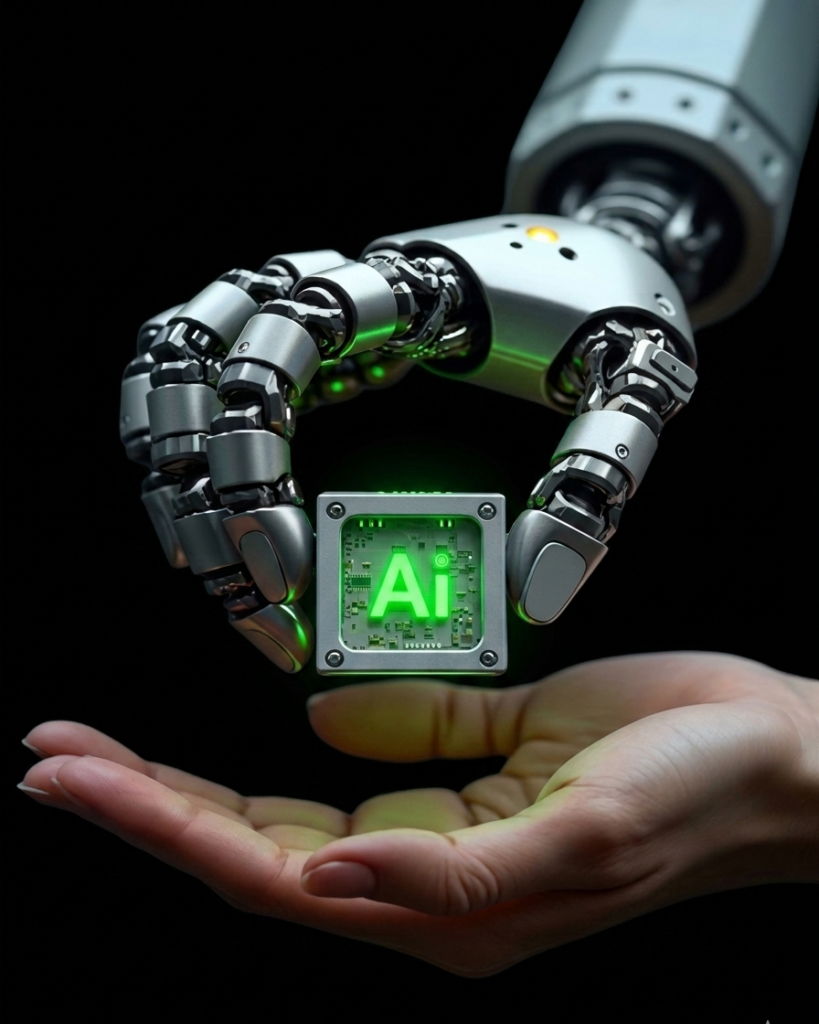
The current revolution of digital marketing takes place precisely during what is believed to be the largest revolution since the development of the search engine. This sphere remains on the cutting edge of that revolution, impacting numerous sectors globally. The introduction of artificial intelligence allows marketers to work in a more efficient and smarter manner than ever thanks to automation, predictions, and personalization.To stay ahead, a business must move beyond simple tools and develop a comprehensive AI-integrated marketing strategy.The debate regarding “should we implement AI technology?” is no longer relevant to businesses seeking growth; now, the question becomes “how fast?”
It is necessary for firms to implement artificial intelligence into marketing plans in order to be competitive within this increasingly congested market.Businesses can enhance their ROI, foster customer engagement, and even have a competitive edge over their competitors if they manage to effectively adopt an AI-integrated marketing strategy
The potentialities that lie within the realm of AI, the difficulties facing marketers, and how marketers utilize unique marketing strategies in order to beat out competition will be discussed in detail in this article.
1. A World of Opportunities
How AI Revolutionizes MarketingThe biggest strength of AI in the context of marketing lies in its ability to quickly process vast amounts of data. A successful AI-integrated marketing strategy leverages:
- Large-Scale Hyper-Personalization
Using the customer’s name in the subject line used to be a form of personalization. Personalization based on predictions can now be achieved using AI. The use of AI allows one to make predictions about what the customer may like even before he or she does.That ensures the appropriate message gets to the appropriate audience at an appropriate time.
- Enhanced Efficiency and Content Creation
Content creation workflows have been transformed by generative AI. Tasks such as researching, writing, and styling a blog post, which could once take several days, can now be accomplished within hours. In addition to creating content, AI technology is now capable of developing film-quality advertising creatives and stark visuals that will disrupt the “endless scroll” on social media platforms such as LinkedIn and Instagram.
- Data-Driven Decision Making
Marketing in traditional ways used to rely on “gut instincts.” AI takes the place of speculation with data-based decisions. Effectiveness of campaigns can be analyzed using machine learning algorithm. It is possible to determine which headlines, images, or demographics yield higher conversion rates through machine learning algorithm
2. The Difficulties: Getting Around the AI Frontier
Although implementing AI systems has several apparent benefits, some disadvantages come into play as well. For successful AI-integrated marketing strategy, it is essential that you should be well aware of possible risks
- The “Human Touch” Gap
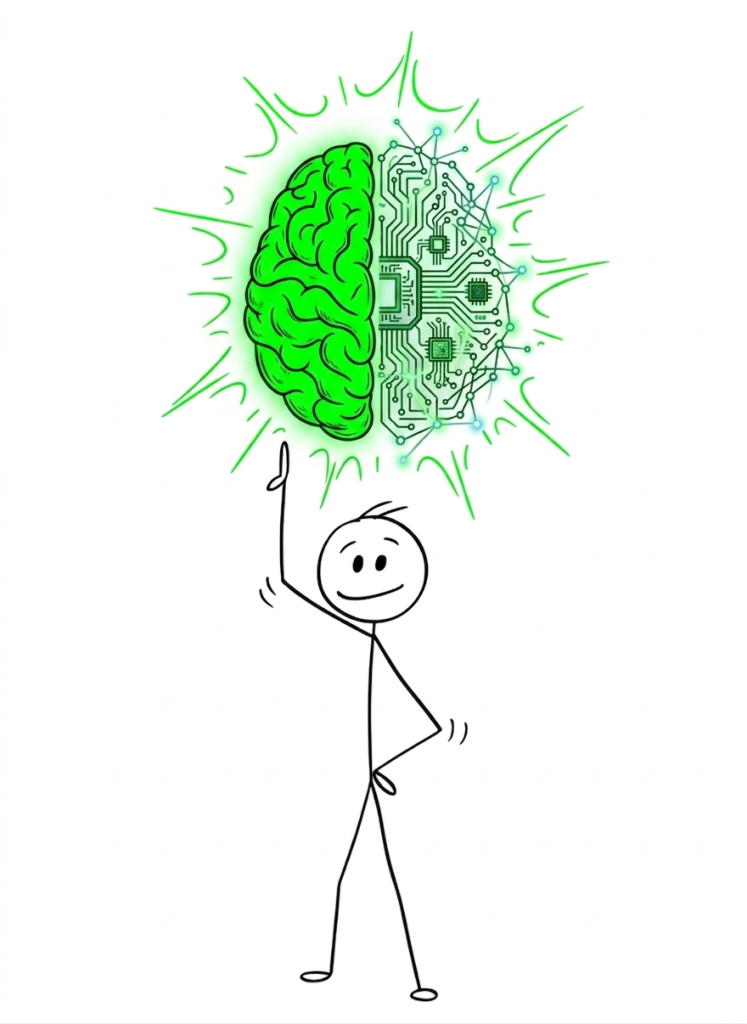
Voice loss of brand identity is among the most notable downsides of AI-powered content. Should all companies utilize the same AI solutions for marketing, their content might become monotonous and robotic in nature. In an effort to keep a connection with their audience alive, today’s marketers need to base their strategies on AI but add human elements to their content production.
- Data Privacy and Ethics
Large data comes with large responsibilities. Privacy issues (GDPR, CCPA) have never been higher due to the fact that AI technology relies on consumer data. Marketers could face a loss of consumer confidence and legal consequences if they are not transparent in their data usage and collection
- The Learning Curve and Implementation Costs
Despite the abundance of AI applications, expertise is required to make them work together within an “AI-integrated workflow”. The handling of data and the creation of effective prompts require training. This time investment may pose a hurdle for numerous small and mid-sized firms.
3. Core Strategies for AI Integration
In order to flourish in the age of artificial intelligence, a systematic approach is needed. Following are three approaches that can be adopted immediately AI-integrated marketing strategy:
Strategy A: The “Hybrid” Content Workflow
Do not give the writing task to the AI alone. Rather, apply the Human in the Loop approach in writing:
AI Writing Approach: Employ AI to create outlines, perform keyword research, and compose initial documents.Once done, the strategist will verify all details, provide real-life examples and ensure that appropriate tone is used.In this way, you will be sure of creating a user-friendly and SEO-optimized piece of content.
Strategy B: Search Intent and Predictive SEO
conversational aspect of search engines is becoming more common. From an approach standpoint, this involves moving past the simple tactic of “keyword stuffing” and focusing on Search Intent. Identify “clusters” of topics that people are seeking information about through the help of AI.Utilize AI, for example, to determine certain problems facing business owners in economic growth centers such as Kochi.
Strategy C: Automated Lead Nurturing
To handle “the top of the funnel” engagements, chatbots along with artificial intelligence features and automated emails should be employed. During your sleeping hours, with a smartly designed AI, qualification of leads will continue without interruption, addressing the most common queries, as well as setting appointments for consultation purposes. With such measures implemented, you can be certain that once you step in, you’ll talk to a qualified prospect.
4. Future Prospects: AI as a Partner, Not a Substitute
The people who will be successful marketers in the coming decade aren’t going to be replaced by AI; they are going to be the ones who know how to use it. The goal is to move from “Book Balancing to Brand Building,” by eliminating mundane tasks that you don’t have time for and focus on the strategic creative work that truly matters.
In today’s organizations, there comes a point where you need to choose between evolving AI or being left behind by data. Brands have the ability to create an experiential form of marketing that can be both seen and felt through human strategy paired with machine learning.
Conclusion: Take the First Step
Adopting the AI method does not need to be immediate. Begin with automating a specific part of your process, As you expand your AI-integrated marketing strategy, you will find that brands have the ability to create an experiential form of marketing that can be both seen and felt.such as your first outline for your blog posts or your scheduling on social media. You may expand your usage of AI technology based on how much time you save.

“Are you ready to employ the AI approach to transform your online identity? As an AI marketing strategyst working freelance in Kochi, I, Ajmal, will help you with the marketing of the future, that too at a smarter, faster, and customized pace.”